

8 Common Car Issues and How Auto Repair Shops Fix Them
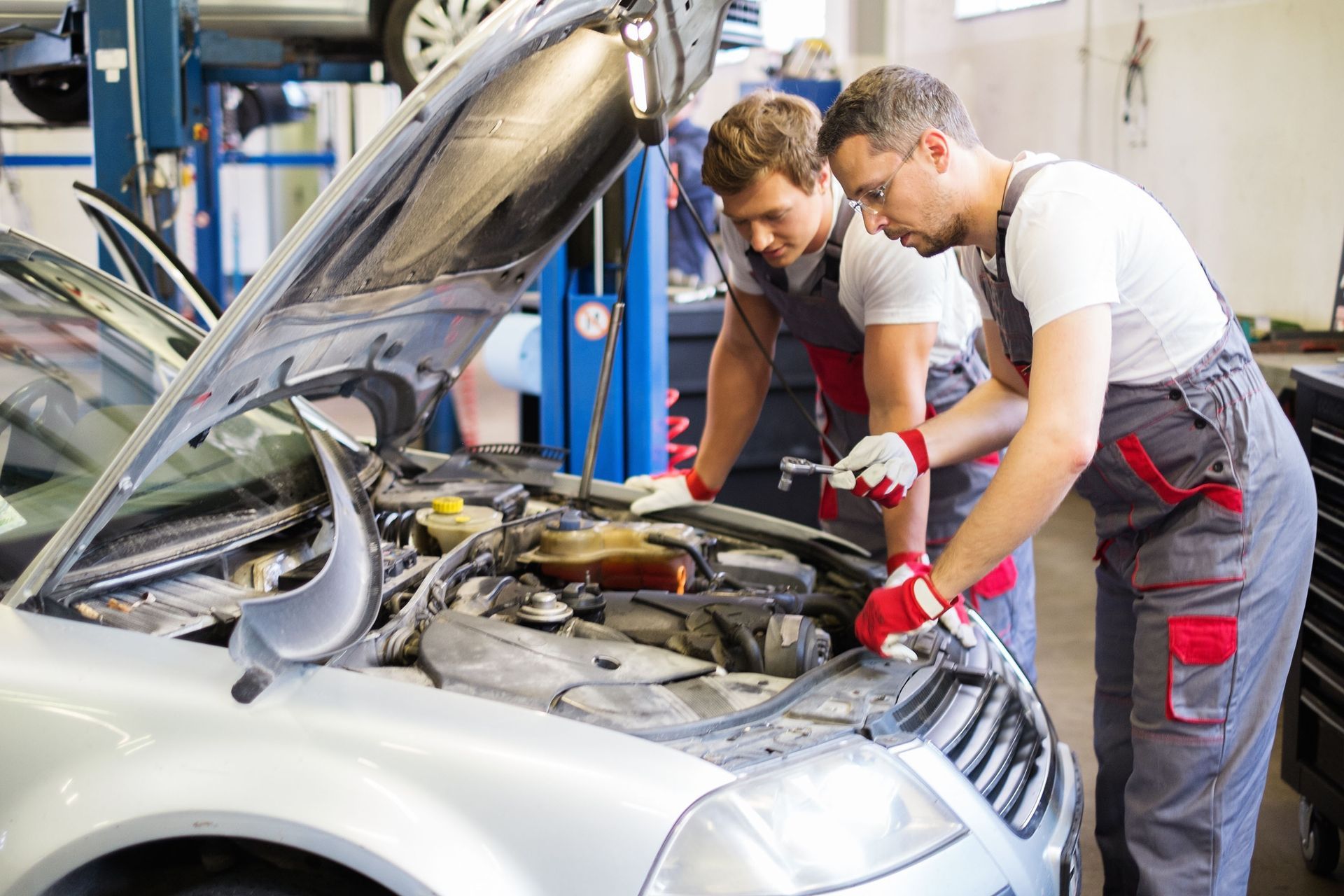
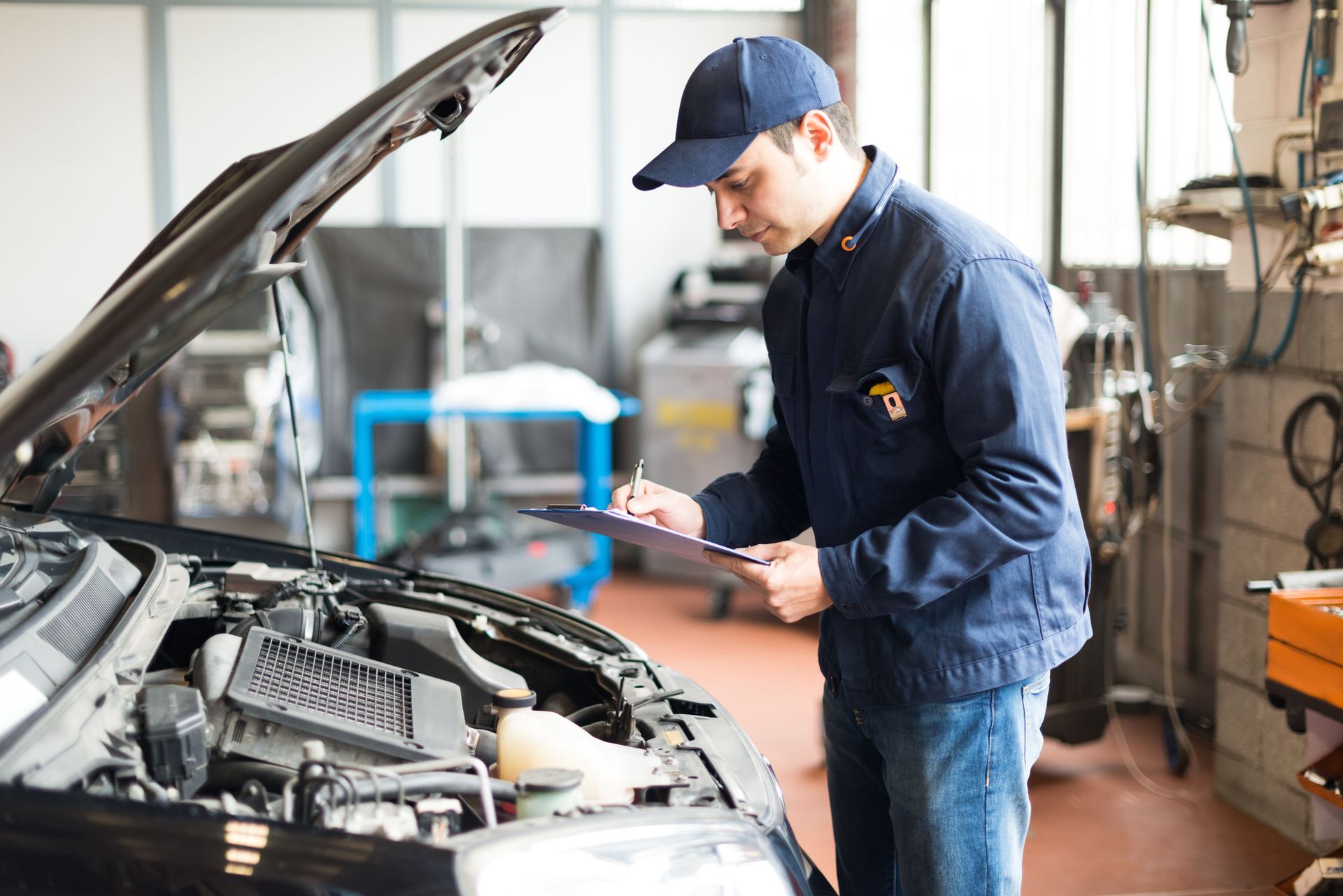
Cars can develop problems gradually or experience sudden failures that affect how they perform on the road. Some warning signs may seem minor at first, but ignoring them can allow a small issue to become a more expensive repair. Regular inspections and maintenance can help identify worn components before they create larger problems. Drivers should pay attention to unusual sounds, dashboard warnings, fluid leaks, changes in handling, and other differences in vehicle behavior. According to Bankrate, routine vehicle maintenance is generally recommended every 5,000 miles. Professional technicians can use diagnostic equipment and hands-on inspections to determine what is causing a particular problem. Understanding common automotive issues can also help drivers recognize when service is necessary. Knowing what to expect from a repair can make it easier to address vehicle concerns promptly.
1. Dead or Weak Batteries
A weak battery can make it difficult or impossible to start a vehicle. Drivers may notice slow engine cranking, dim interior lights, or clicking sounds when turning the ignition. Batteries can lose their ability to hold a charge as they age, especially when exposed to extreme temperatures or repeated short trips. Technicians can test the battery's voltage and starting capacity to determine whether it needs charging or replacement. The charging system can also be inspected to make sure the alternator is supplying the appropriate amount of power. Auto repair shops can identify whether a starting problem comes from the battery, alternator, starter, or another electrical component. Replacing a worn battery may restore dependable starting performance when the battery is the source of the problem. Addressing battery concerns early can help prevent an unexpected breakdown.
2. Brake Performance Problems
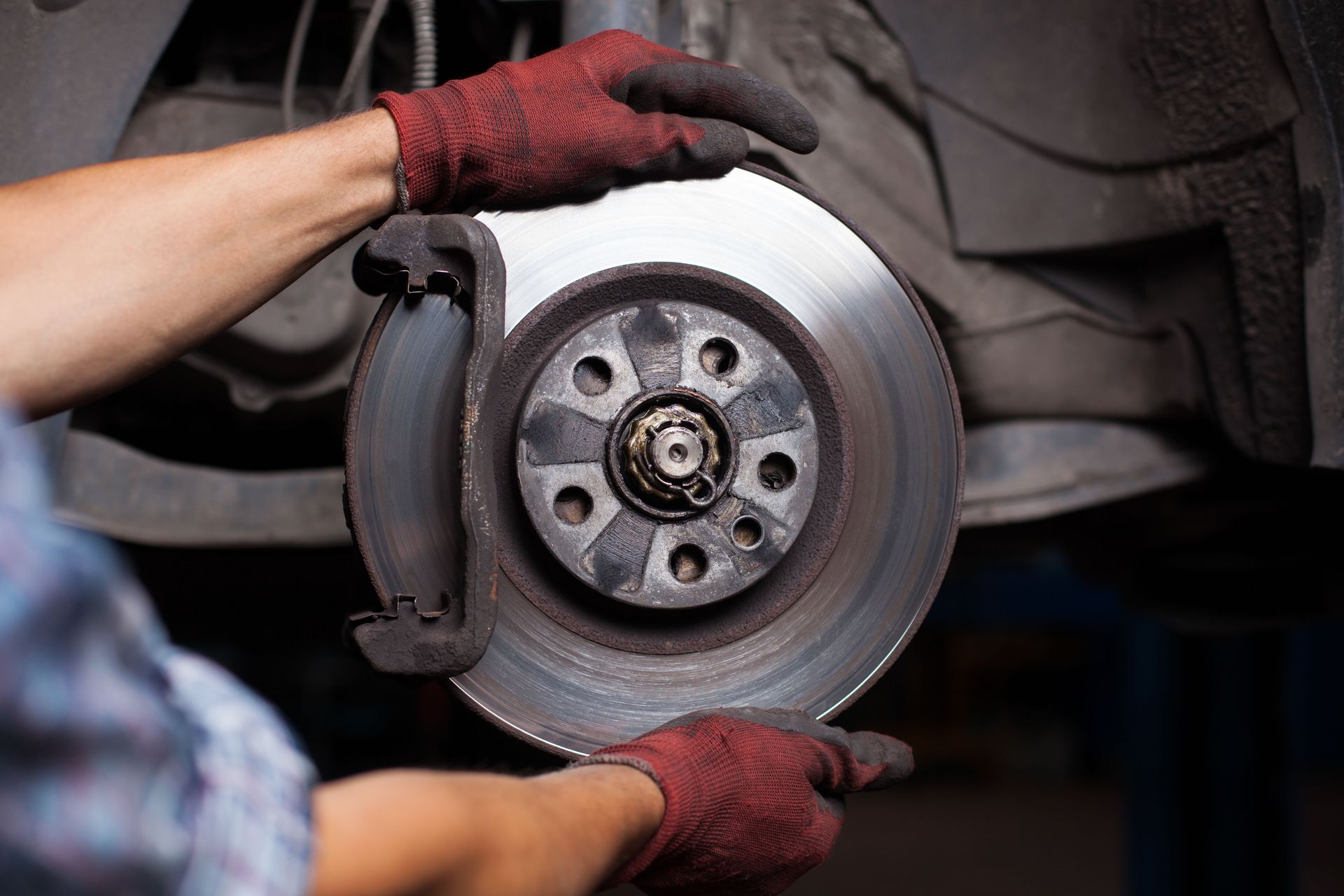
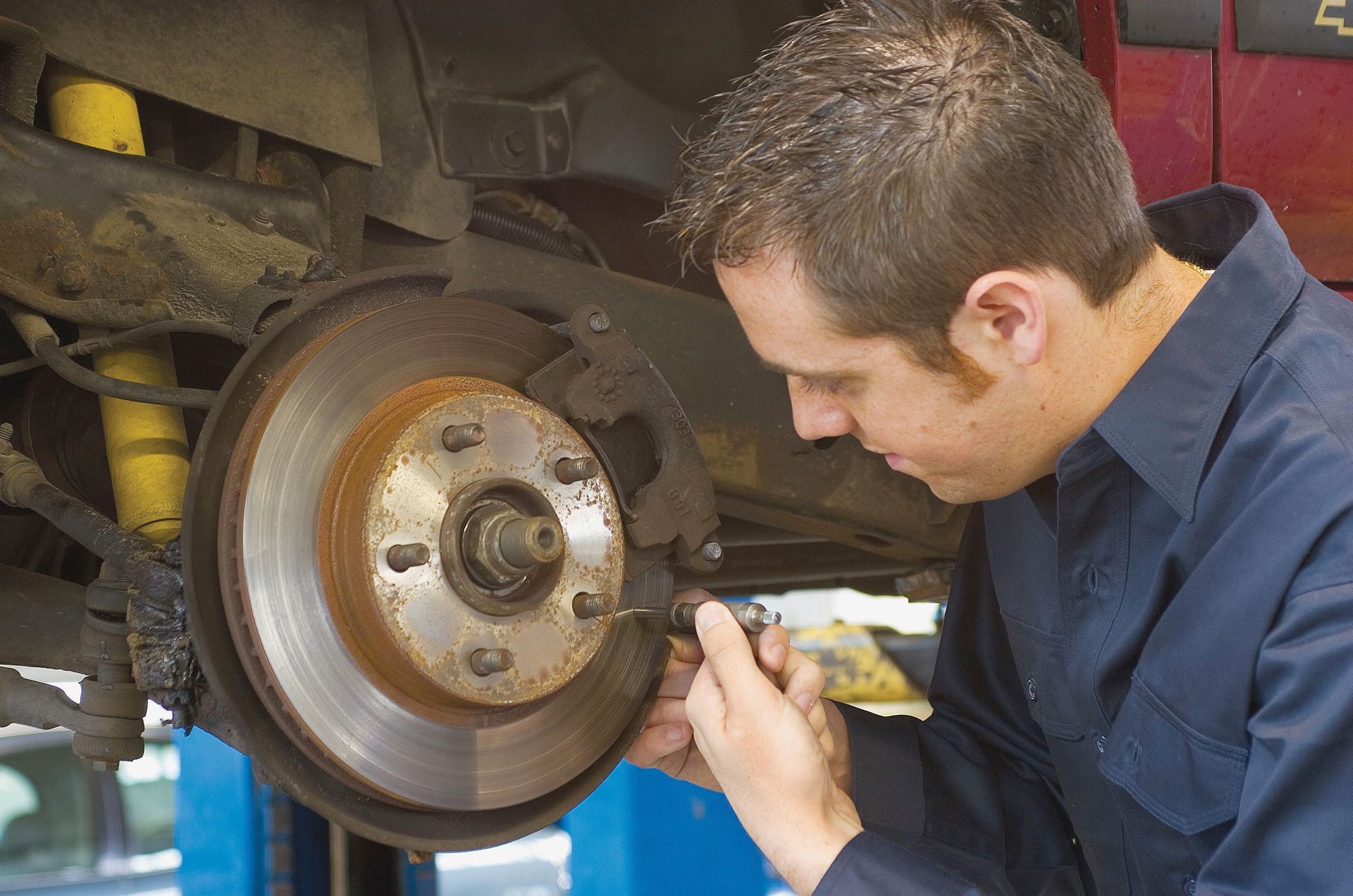
Brake problems can develop through normal wear or result from damaged components. Squealing, grinding, vibrations, pulling, or a brake pedal that feels different can indicate that the braking system needs attention. Brake pads gradually become thinner as they are used, while rotors can develop wear or other surface problems. Technicians can inspect the pads, rotors, calipers, brake lines, and related components to determine the source of the concern. Auto repair shops can replace worn brake components and address other problems identified during the inspection. The brake fluid and hydraulic system may also need evaluation when pedal performance changes. Prompt service can help maintain predictable braking performance and prevent additional component damage. Drivers should not ignore unusual brake behavior because the system plays a critical role in controlling the vehicle.
3. Engine Overheating
An overheating engine can result from several different problems within the cooling system. Low coolant, a damaged radiator, a malfunctioning thermostat, a failing water pump, or a cooling fan problem can all contribute to excessive engine temperature. Drivers may notice a temperature gauge moving into the hot range or see steam coming from beneath the hood. Continuing to operate an overheating vehicle can cause serious engine damage. Technicians can inspect the cooling system and test individual components to determine where the problem originates. Auto repair shops can repair leaks, replace damaged components, and restore proper coolant circulation when appropriate. The cooling system should also be checked for related problems that could cause the issue to return. Addressing overheating promptly can help protect the engine from more extensive damage.
4. Check Engine Warnings
A check engine light can appear for many reasons, ranging from relatively simple issues to problems requiring immediate attention. A loose fuel cap, faulty sensor, ignition problem, emissions issue, or engine malfunction can trigger the warning. Because the light does not identify the exact cause by itself, diagnostic testing is often necessary. Technicians can connect specialized equipment to the vehicle to retrieve diagnostic trouble codes and investigate the related systems. Auto repair shops can then use those results along with physical inspections to determine the appropriate repair. Drivers should pay attention to whether the warning remains steady or begins flashing, as a flashing light can indicate a more urgent condition. Resolving the underlying problem rather than simply clearing the warning can help prevent continued vehicle damage. Regular diagnostic attention can also help identify developing issues before they become more complicated.
5. Tire and Alignment Issues
Tires can develop uneven wear when inflation, alignment, suspension, or other conditions are not within appropriate specifications. Drivers may notice that the vehicle pulls to one side, the steering wheel is off-center, or certain areas of the tread wear faster than others. Potholes and other road hazards can also affect wheel alignment or damage related components. Technicians can inspect tire condition, measure alignment angles, and examine steering and suspension components. Auto repair shops can perform alignment services and replace damaged parts when necessary. Maintaining proper tire pressure is also important because underinflation or overinflation can affect wear and handling. Addressing alignment concerns can help promote more even tire wear and predictable steering response. Regular tire inspections can make it easier to identify problems before they compromise driving performance.
6. Transmission Shifting Problems
Transmission issues can affect how smoothly a vehicle accelerates and changes gears. Warning signs may include delayed engagement, slipping, harsh shifts, unusual noises, or difficulty selecting a gear. Low or contaminated transmission fluid can contribute to certain problems, although more serious mechanical issues may also be involved. Technicians can inspect the transmission, check fluid condition, and use diagnostic information to identify potential causes. Auto repair shops can perform fluid services, address leaks, replace damaged components, or recommend additional repairs depending on the findings. Early attention is important because continued driving with a developing transmission problem can sometimes lead to additional damage. Drivers should describe exactly when the shifting problem occurs because those details can help technicians narrow down the cause. Proper diagnosis helps ensure that repairs address the actual source of the problem rather than only the symptoms.
7. Suspension and Steering Concerns
The suspension and steering systems affect how a vehicle handles bumps, turns, and changes in road conditions. Worn shocks, struts, ball joints, tie rods, bushings, or other components can cause unusual movement and handling changes. Drivers may hear clunking noises, experience excessive bouncing, or notice that the vehicle feels less stable than usual. Steering concerns may include looseness, vibration, pulling, or difficulty maintaining a straight path. Technicians can inspect these systems for worn, damaged, or loose components and determine which parts require service. Auto repair shops can replace affected components and check alignment when suspension or steering repairs may have changed wheel positioning. Addressing these concerns can help restore more consistent handling and ride quality. Drivers should have new steering or suspension symptoms evaluated rather than assuming they are simply normal vehicle wear.
8. Fluid Leaks
Fluid leaks can provide an important warning that a vehicle needs professional attention. Depending on the fluid's color, location, and consistency, a leak may involve engine oil, coolant, transmission fluid, brake fluid, power steering fluid, or another system. Some leaks may begin as small spots beneath a parked vehicle but can become more significant over time. Low fluid levels can prevent mechanical components from receiving the lubrication or hydraulic pressure they need to operate correctly. Technicians can inspect the underside of the vehicle and surrounding components to locate the source of the leak. Auto repair shops can replace damaged seals, hoses, lines, gaskets, or other components responsible for the loss. Identifying the fluid involved can also help technicians determine which vehicle system requires further testing. Prompt leak repairs can help protect major components from damage caused by inadequate fluid levels.
Recognizing common car problems can help drivers respond before minor concerns develop into larger repairs. Battery failures, brake wear, overheating, warning lights, tire issues, transmission concerns, suspension problems, and fluid leaks can all affect vehicle reliability. Professional diagnosis is useful because similar symptoms can sometimes result from very different mechanical causes. Routine maintenance also provides opportunities to identify worn components before they fail unexpectedly. Drivers can support their vehicles by following recommended service intervals and paying attention to changes in performance. Derek's Automotive Service can inspect vehicles, diagnose automotive concerns, and provide appropriate repair and maintenance solutions based on the condition of each vehicle. Contact us today to schedule an inspection or discuss a car problem that needs professional attention.
Share On: